

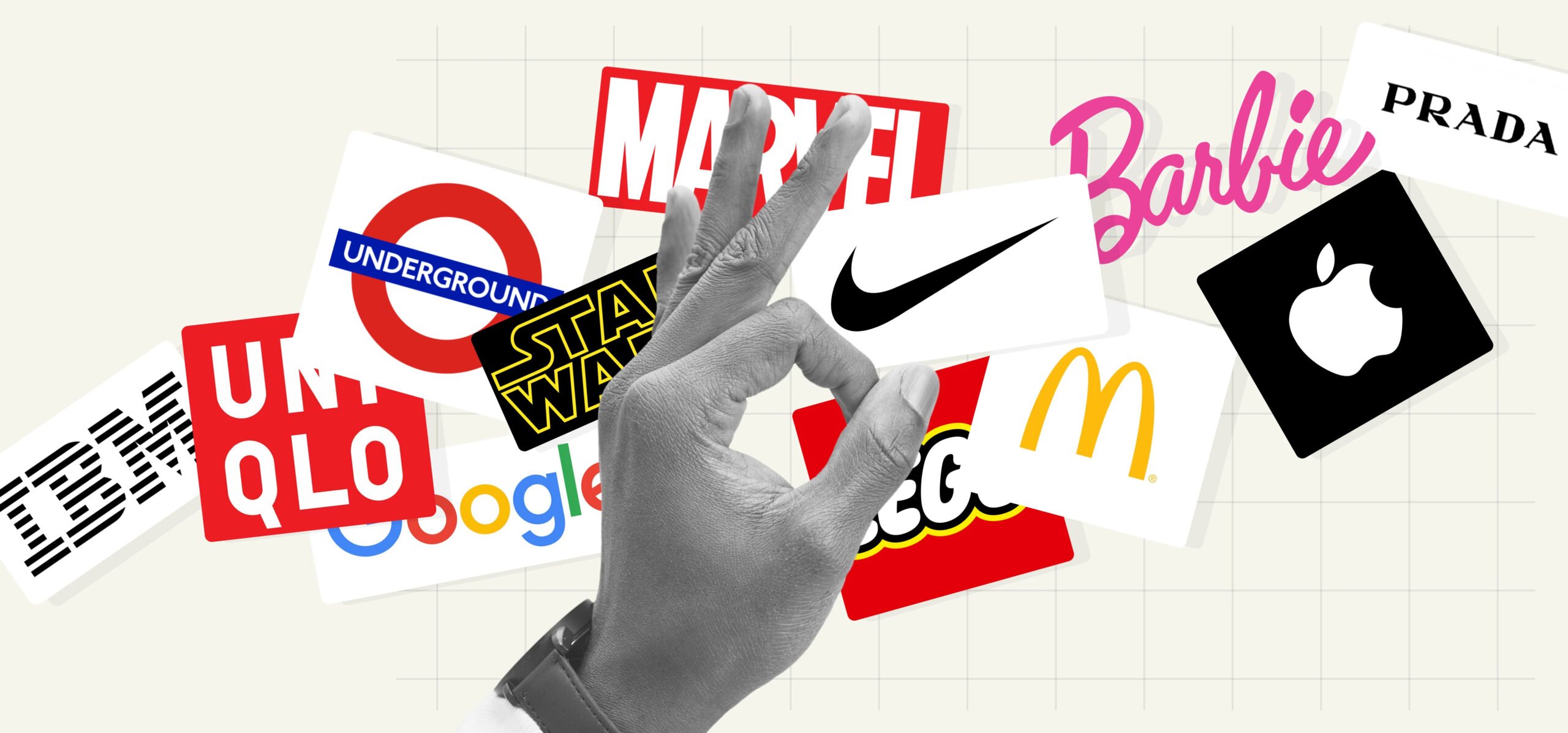
A brand is not simply a logo, a colour palette, or a carefully designed website. It’s the overall impression people form through every interaction they have with a business.
Visual identity is an important part of that experience, but it is only one piece of a much bigger picture. The way a company communicates, presents its products, treats its customers, and delivers on its promises all contribute to how people perceive it.
This is why effective branding starts with understanding what makes a business different. Before thinking about colours, typography, or visual elements, it’s important to define its personality, values, positioning, and the audience it wants to connect with.
“A brand is a person’s gut feeling about a product, service, or organization. It’s not what you say it is. It’s what they say it is.”
– Marty Neumeier, The Brand Gap
A strong brand doesn’t just look different. It gives people a reason to remember it.
brand is much more than the visual elements people associate with a business. It’s the perception, emotions, and expectations that develop through every interaction someone has with it. In The Brand Gap, Marty Neumeier explores the relationship between business strategy and creative design, highlighting how successful brands bring these two worlds together. A logo might be the first thing people recognize, but it takes much more than a recognizable symbol to build a meaningful identity. Every colour, typeface, message, image, product, and customer experience contributes to the way a brand is understood and remembered. The challenge is not simply to look different, but to communicate a clear and consistent reason why a business deserves attention. This starts with knowing who you are as a brand, what you stand for, who you want to reach, and what makes your offering different from everything else in the market. When strategy and design work together, visual identity becomes more than decoration — it becomes a powerful tool for communicating personality, building trust, creating recognition, and establishing an emotional connection with the right audience. Ultimately, the strongest brands aren’t necessarily the loudest or the most visually complicated. They’re the ones that know exactly what they represent and communicate it consistently at every touchpoint.


Leave a reply